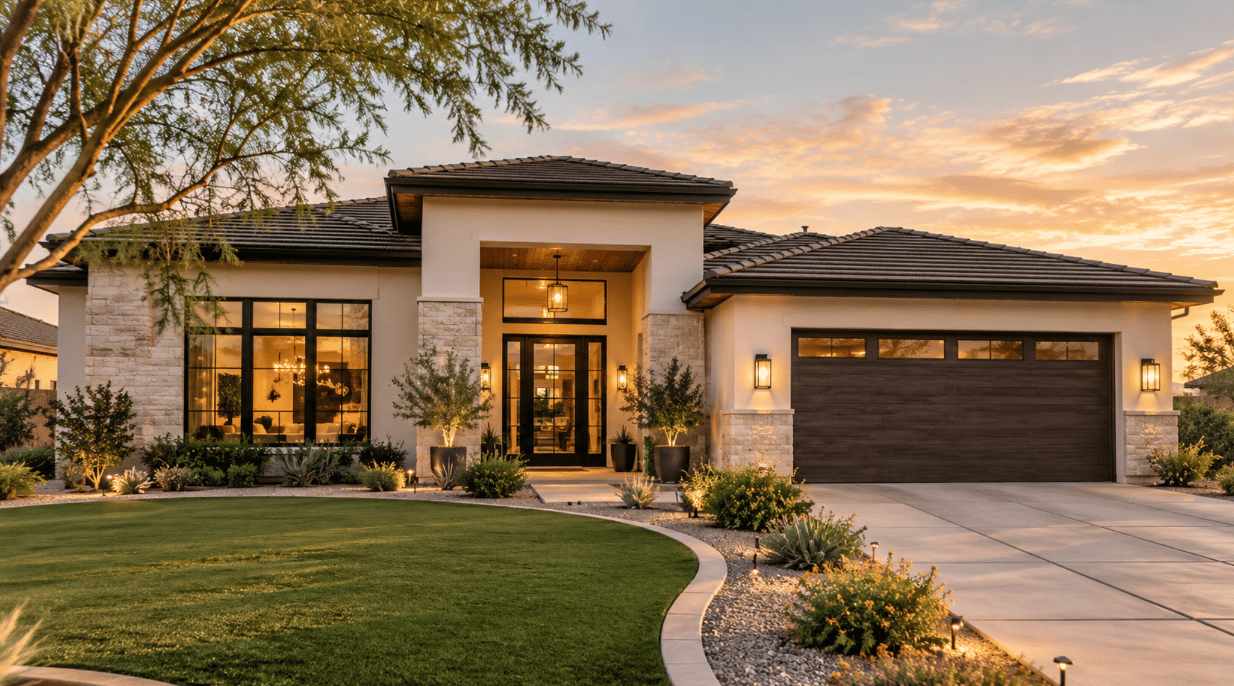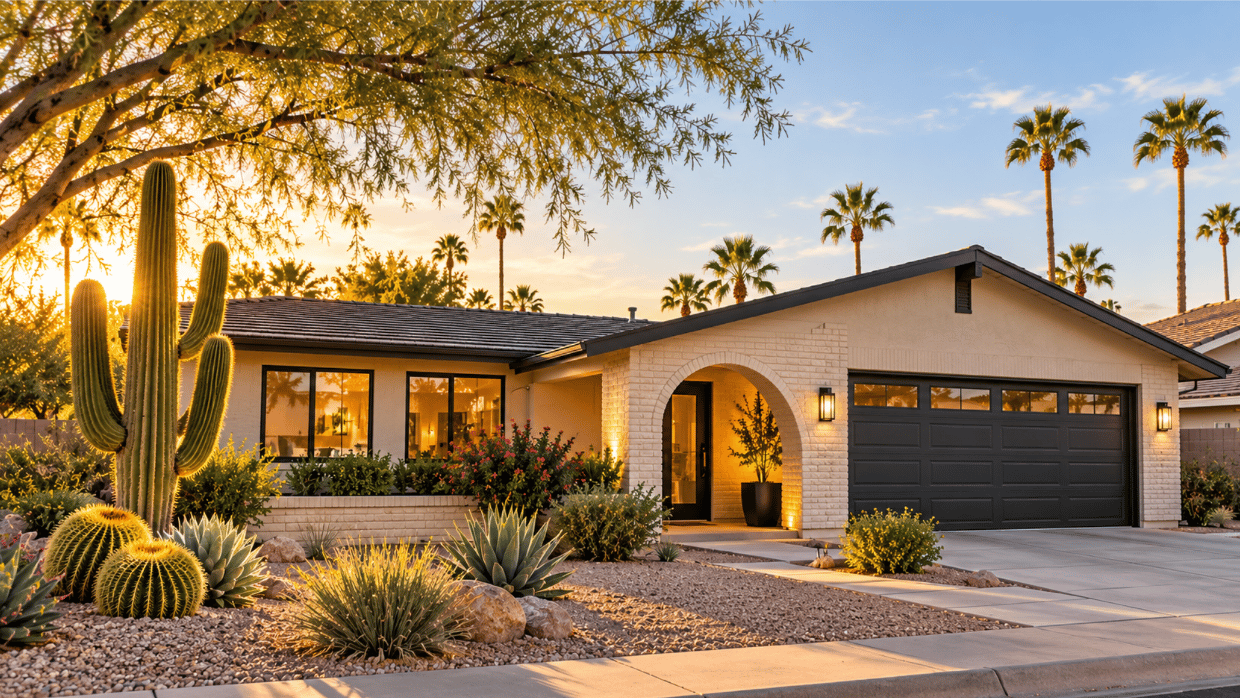
There is a lot to love about older homes in Arizona. You may find larger lots, established neighborhoods, mature landscaping, no HOA, and a little more character than you typically see in newer developments.
An older home can also be a great opportunity to get into an area you love at a price that works for your budget. But when a home has been standing through decades of Arizona summers, there are a few things I want buyers to pay especially close attention to.
Older does not automatically mean problematic. It simply means we want to understand what has been updated, what is still original, and what expenses could potentially be coming next.
Start With the AC
If you’re buying in Arizona, the HVAC system is always going to be high on my list.
Ask how old the system is, whether it has been regularly serviced, and if there have been any major repairs or replacements. An older unit may still be working perfectly well, but knowing its age and condition helps you understand whether replacement could become an expense in the near future.
During the inspection period, you can also talk with your inspector about whether further evaluation by an HVAC professional makes sense.
The goal isn’t necessarily to find a house with a brand-new AC. It’s to know what you’re buying so you can plan accordingly.
Take a Closer Look at the Roof
Arizona roofs deal with intense sun, heat, wind, and monsoon storms year after year.
The type of roof matters, too. Tile roofs, shingle roofs, and flat or foam roofing systems have different maintenance needs. Even when the visible roofing material looks good, there may be underlying components that need attention.
Look for signs of previous leaks, repairs, damaged or missing materials, and areas where water could potentially collect. If there are concerns, a professional roof inspection can give you a clearer picture of the roof’s current condition.
Find Out What’s Going On With the Plumbing
Plumbing is another area where the home’s age can matter.
You want to understand what type of plumbing is present, whether any of it has been replaced, and whether the seller has experienced leaks or other plumbing issues.
An inspection may reveal things like slow drains, leaks, water-pressure concerns, aging fixtures, or signs of previous water damage. Depending on the home’s age and what the inspector finds, additional plumbing evaluation may be worthwhile.
This is also a good reminder that the things behind the walls can sometimes matter more than the pretty finishes in front of them.
Don’t Overlook the Electrical System
A beautifully remodeled kitchen doesn’t necessarily mean everything behind it has been updated.
Older homes may have electrical systems that have been modified over the years as owners added appliances, lighting, pools, workshops, additions, or other features.
Your home inspector can look for visible concerns with the electrical panel, outlets, wiring, and other components. If anything raises a red flag, an electrician can provide a more specialized evaluation.
You don’t need to become an expert in electrical systems before buying a home. You just want the right professionals helping you understand what you’re looking at.
Check the Windows and Doors
Arizona heat makes energy efficiency especially noticeable.
Older windows and doors may allow more heat into the home or have worn seals and weather stripping. During a showing, look at whether windows open and close properly, whether you notice gaps around doors, and whether there are signs of damaged seals.
New windows can be a great upgrade, but older windows aren’t necessarily a reason to walk away. This is another area where knowing what you have helps you think ahead about comfort, efficiency, and future improvements.
Sewer or Septic? Know Before You Buy
Not every Arizona property is connected to a public sewer system, particularly when you’re looking at older homes or properties with larger lots.
If the home has a septic system, you’ll want to understand its condition and maintenance history and what inspections or documentation apply to the transaction.
For homes connected to sewer, buyers may also want to discuss whether a sewer scope is appropriate. A standard home inspection doesn’t necessarily tell you everything happening underground, so this can be an important conversation to have during your inspection period.
Pay Attention to Additions and Remodels
This one can be easy to miss because an addition might look like it has always been part of the house.
Arizona homes are frequently modified over the years. Garages get enclosed, patios become Arizona rooms, walls move, bathrooms are added, and living spaces expand.
If you’re looking at a home with additions or significant remodeling, ask questions.
When was the work completed? Were permits required? Are there records available? Does the current square footage match what you’re seeing?
An addition isn’t automatically a problem, but you want to understand exactly what you’re buying.
This Is Why the Inspection Period Matters
One of the biggest mistakes buyers can make with an older home is assuming an inspection is simply a pass-or-fail test.
It isn’t.
A home inspection is there to help you learn about the property. Your inspector may identify items that need immediate attention, things that should be monitored, and normal maintenance you’ll likely deal with as a homeowner.
From there, we can look at the bigger picture.
A 30-year-old home with a newer roof, updated AC, maintained plumbing, and good records may be in a very different position than a newer-looking home where major systems have received little attention.
Look Beyond the Age of the Home
I wouldn’t rule out a great Arizona home simply because it was built in the 1970s, ’80s, or ’90s.
In fact, some older West Valley neighborhoods offer things buyers have a hard time finding in new construction, including larger lots, mature trees, established communities, RV parking, and homes without an HOA.
The important thing is knowing what you’re buying.
Instead of asking, “Is this house too old?” ask, “How has this house been maintained?”
Those are two very different questions, and the second one can tell you much more about whether a property is the right fit.
If you’re considering an older home in Peoria, Glendale, Litchfield Park, Goodyear, Surprise, or anywhere in the West Valley, I can help you know what questions to ask, what to look for during a showing, and how to navigate the inspection period before you make the home yours.